MARČANA
Historical sources testify to the dense population of the region during the ancient times and tempestuous past. Marcana was for the first time mentioned in the written sources 243rd in the act of Pula's oath of loyalty to Venice.
Historical sources testify to the dense population of the region during the ancient times and tempestuous past. Marcana was for the first time mentioned in the written sources 243rd in the act of Pula's oath of loyalty to Venice.
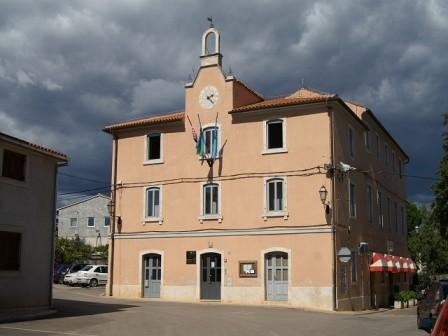
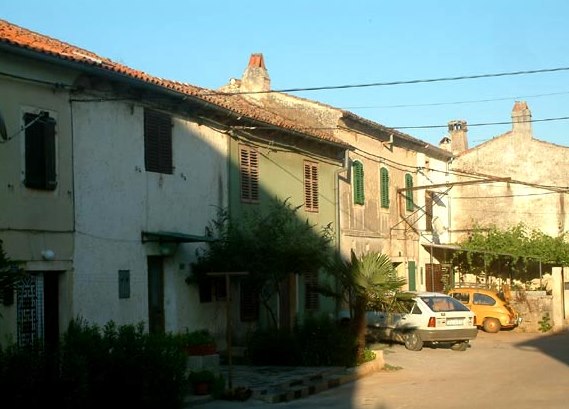
Marcana, a village located on the north of Pula, on the crossroads of Pula-Labin and Vodnjan-Krnica, is the seat of the eponymous municipality. Historical sources testify to the dense population of the region during the ancient times and tempestuous past. Marcana was for the first time mentioned in the written sources 243rd in the act of Pula's oath of loyalty to Venice. In that time Marcana belong to Pula area, and then in 1331st came under the authority of the Venetian Republic. Since this area was, during the 15th century, several times affected by an outbreak of plague, Marcana region has remained almost without inhabitants.
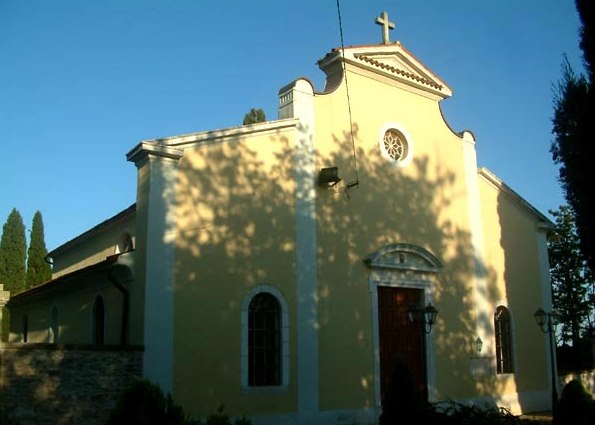
The village is dominated by the parish church of St. Peter and Paul from the 15th century with the clock tower from the 1846th, but Marčana is famous also for the medieval church of Anthony of Padua, prolonged late in 16th century and dedicated to the 1709th year. Undiscovered and attractive coast of Marcana steep plunges into the clear and deep Adriatic Sea. This coastal area is dominated by green peninsulas and bays which coast offers a priceless view of bathing in the blue horizon.