RES PUBLICA ALBONESSIUM, LABIN
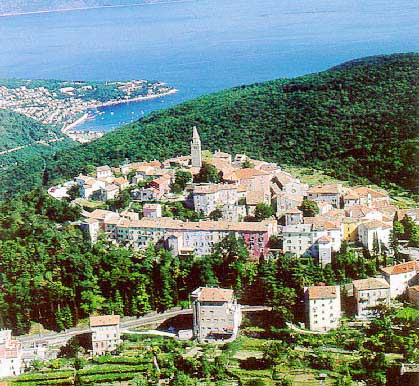
The picturesque town of Labin, situated on 320 m high hill located about 3 km from the sea, was, apparently, inhabited 2000 years BC.
The picturesque town of Labin, situated on 320 m high hill located about 3 km from the sea, was, apparently, inhabited 2000 years BC.
The picturesque town of Labin, situated on 320 m high hill located about 3 km from the sea, was, apparently, inhabited 2000 years BC. The remains of one of these settlements from the Bronze Age, Kunci, are located in the immediate vicinity of Labin. His old name Albona or Alvona is Illyrian name of Celtic origin, and it seems that the Celts founded it in the 4th century BC on the site of a fort, although some historians mention that the place identified by the Illyrians in the 11th century BC. For its former residents, Titus Livius wrote that they were pirates. After clashes between locals and Romans who begin in the 3rd ct. Christ, Istria fell under Rome in 177 BC. and border becames the river Rasa. Labin and its surroundings became an integral part of the Roman province of Illyria with a high degree of autonomy and authority over the surrounding areas. The oldest written document about Labin is a relief from the 3rd century, with the inscription Res Publica ALBONESSIUM.